Cemented and casting routes
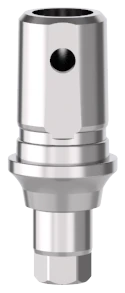
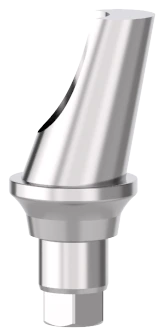
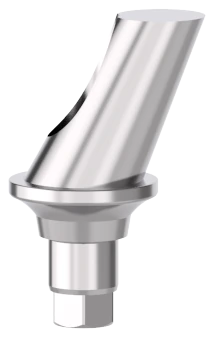
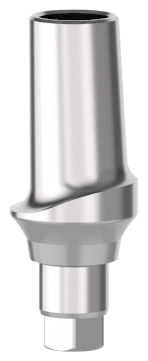
Compare straight, angled, aesthetic and casting families, with the supplied dimensions and references kept together.
Explore cemented, casting and multi-unit component families for fixed restorations.
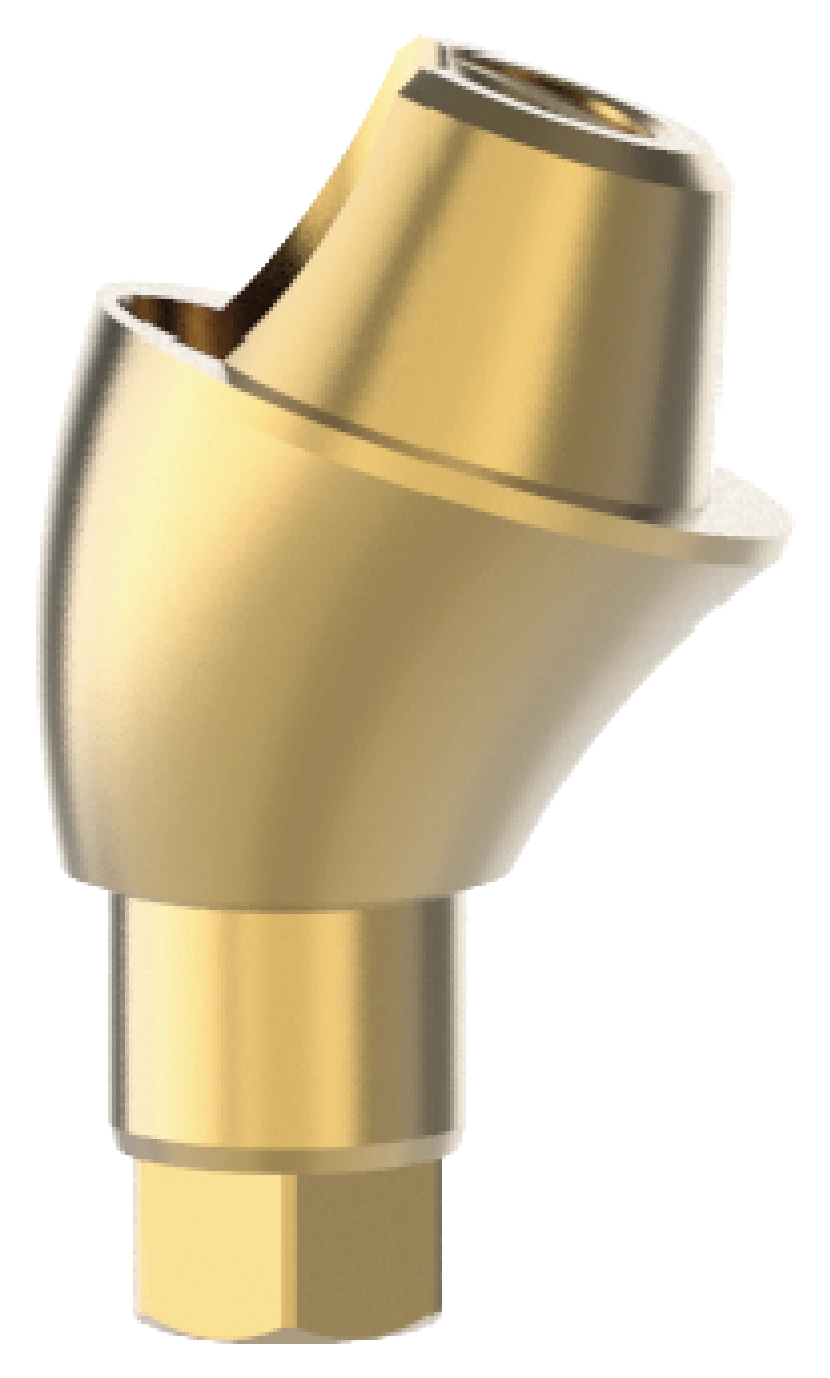
Angle, gingival height, platform and HEX or NO-HEX configuration each matter. The NucleOSS range lets you compare those details before preparing a product enquiry.
Compare straight, angled, aesthetic and casting families, with the supplied dimensions and references kept together.
Distinguish the single-tooth HEX and multiple-tooth NO-HEX options in the documented range.
The planning and driver kits provide different instruments for identifying and working with the chosen component.
Explore these documented product families. Individual product pages keep the specifications, reference and enquiry together.
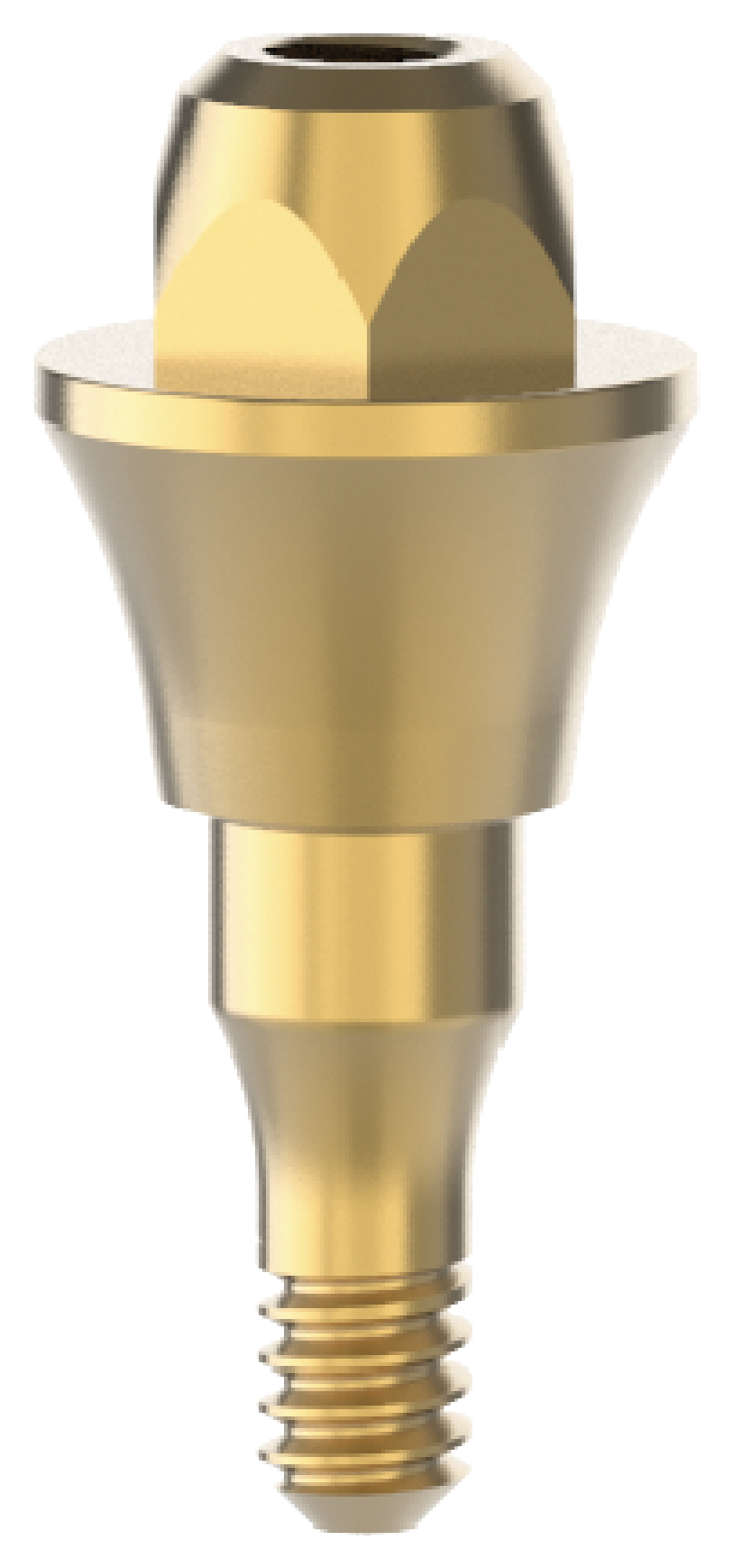
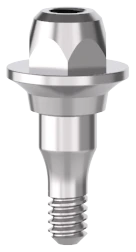
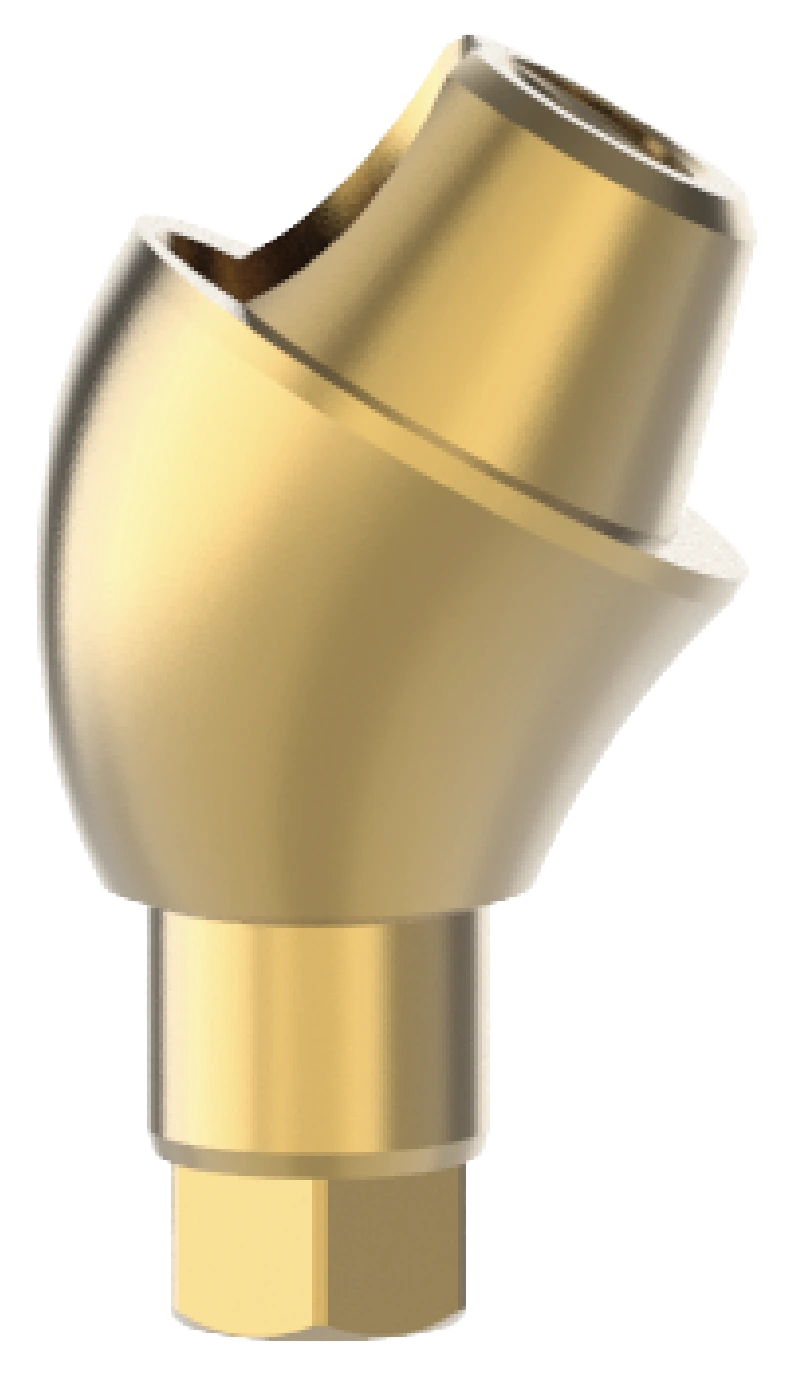
Compare straight and angled titanium abutments alongside the universal and aesthetic families. Keep the listed platform, gingival height and individual configuration in view.
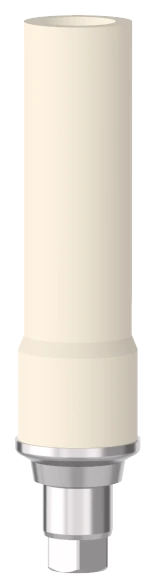
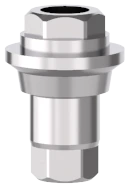
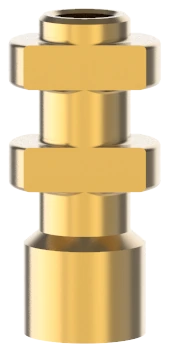
CoCr and universal Ti-Base casting families keep the base, burn-out cap and associated references together. These casting Ti-Bases are separate from the CAD/CAM Ti-Base range.
The straight HEX family is documented for single-tooth restorations. The straight, 17° and 30° NO-HEX families are documented for multiple-tooth restorations. Match auxiliary components to their own named role and HEX or NO-HEX configuration.
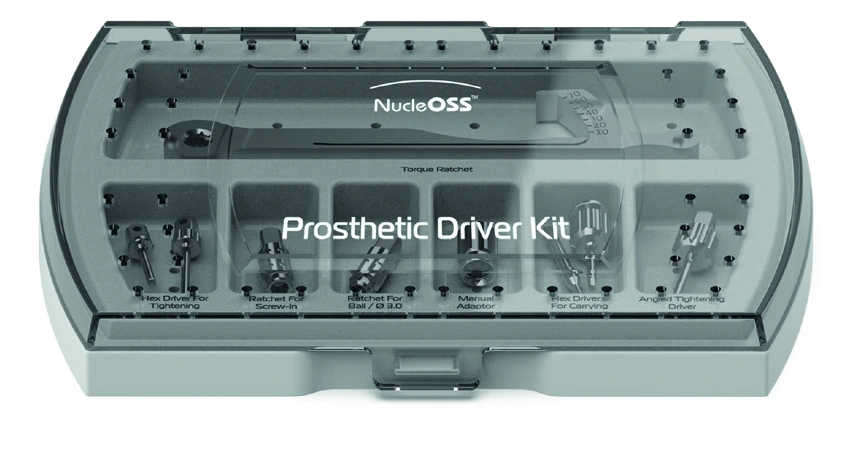 Prosthetic Driver KitCRH-108 · View the catalogue contents
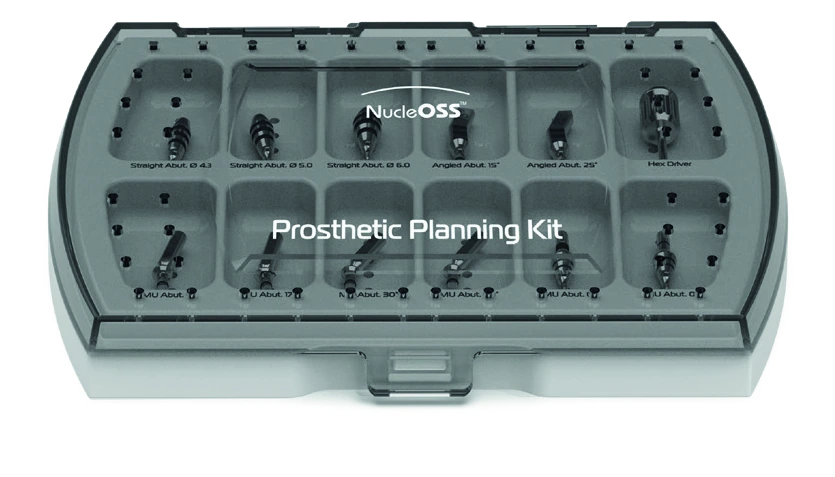 Prosthetic Planning KitYRS-0001 · View the catalogue contents
Connection, platform and intended-use details are included on each product page. Use the relevant instructions for the selected assembly.
Tell HealthIN what you are exploring. Discuss product information, configurations, pricing and availability in one relevant enquiry.